Homelessness in America, 2025: A Persistent National Crisis
- Ewere Baffoe
- Aug 14, 2025
- 2 min read

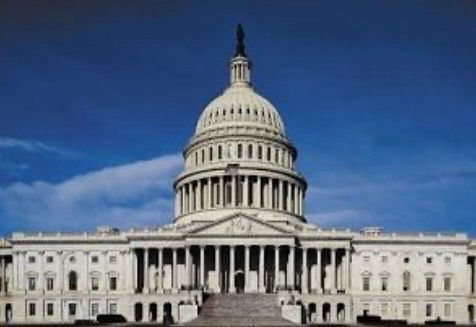
In 2025, homelessness in the United States remains at crisis levels, with more than 770,000 individuals unhoused on any given night. This figure, representing about 23 out of every 10,000 residents, is on par with the historic peak recorded in 2024. Despite various policy initiatives and localized programs, the overall scale of the problem shows little sign of meaningful decline.
The crisis is concentrated in a handful of states. California remains the epicenter, with approximately 187,000 people experiencing homelessness, followed closely by New York with around 158,000. Washington, Florida, and Massachusetts also report populations exceeding 30,000. These states share two factors: high housing costs and severe shortages of affordable units.
The causes of homelessness in 2025 reflect a structural imbalance between income and housing expenses. The dominant driver remains the lack of affordable housing, with rents and home prices far outpacing wage growth. Persistent poverty, unstable employment, and rising costs of living continue to push vulnerable individuals and families to the brink. While mental illness, addiction, and personal crises contribute, they are secondary to these economic forces.
Demographically, two-thirds of those experiencing homelessness are single adults, while families account for the remaining third. Stark racial disparities endure: Black, Hispanic/Latino, and Native American populations are significantly overrepresented compared to their share of the general population. Children remain a particularly vulnerable group.
Chronic homelessness—defined as being unhoused for at least a year or facing repeated episodes—affects roughly one-third of the homeless population. Around 36% live in unsheltered conditions such as streets, vehicles, or abandoned buildings, which poses additional health and safety risks.
Recent legal shifts, including greater local authority to regulate public encampments, have altered how cities address visible homelessness. While some regions have adopted creative solutions—such as rapid housing placement programs and targeted shelter initiatives—these efforts are insufficient to meet the scale of demand. In some cases, enforcement-focused policies may simply disperse encampments without resolving the root problem.
Ultimately, homelessness in America in 2025 is a reflection of enduring housing market inequities and systemic economic challenges. Addressing it will require a sustained, multi-pronged strategy focused on expanding affordable housing, strengthening income supports, and ensuring long-term stability for at-risk populations.


Comments