The Dangote IPO Watch: 2026 Listing and Dollar Dividends: Hedge or Hype?
- momohonimisi26
- Mar 20
- 3 min read

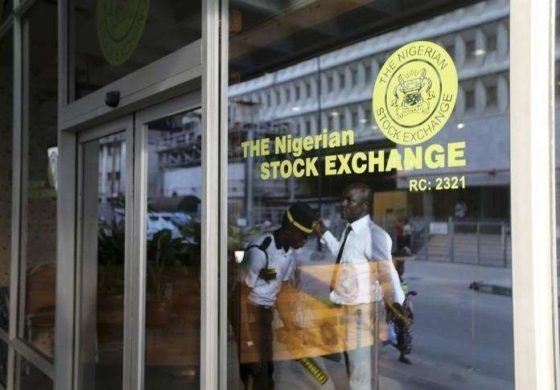
Nigeria’s capital market is about to face a serious stress test. Aliko Dangote is preparing to list a slice of the Dangote Refinery on the Nigerian Exchange Group in 2026, reportedly 5% to 10% of the business.
But that’s not the real story.
The real hook is this: proposed dollar-denominated dividends on a Nigerian stock. It sounds like a perfect hedge in a naira economy that refuses to stay stable. But the question investors should be asking is simple: is this genuine value or financial engineering dressed as innovation?
The Structure: Small Float, Big Narrative
The planned IPO involves only a minority stake, which is strategic. Dangote retains control while unlocking liquidity at what could be peak valuation.
The refinery itself is massive, one of the largest single-train refineries globally, integrated with petrochemicals and fertilizer operations. That integration is key: it creates multiple revenue streams, including exports that generate hard currency inflows.
That export angle is what makes the USD dividend story even possible, on paper.
Dollar Dividends: Smart Hedge or Fragile Promise?
Let’s be clear: Nigerian investors have been burned repeatedly by currency depreciation. So a stock promising USD income is instantly attractive.
Here’s the logic:
The refinery exports refined products
Export revenues come in USD
Dividends are paid from those dollar earnings
Simple. Clean. Appealing.
But reality is messier.
To consistently pay USD dividends, three things must hold:
Stable export volumes
Efficient operations and margins
Reliable FX access and policy support
That third point is where things get shaky.
The Central Bank of Nigeria still exerts heavy influence over foreign exchange flows. Even companies earning dollars don’t always have frictionless access to distribute them.
So the real risk isn’t whether the refinery earns dollars.It’s whether investors can actually receive those dollars consistently.
What Makes This IPO Attractive
There’s a reason this will draw serious attention:
Dollar-linked income in a local market
Exposure to Africa’s largest refinery
Import substitution story (Nigeria stops importing fuel)
Export upside into regional markets
Institutional investors, especially those burned by FX losses, will find this hard to ignore.
The Risks Most People Will Ignore
This is where the hype starts to crack.
1. FX Convertibility Risk: Dollar earnings don’t automatically mean dollar payouts. Policy constraints can disrupt flows.
2. Operational Execution: Refineries are complex. Ramp-up issues, inefficiencies, or downtime can crush margins.
3. Regulatory Risk: Policy shifts from pricing controls to FX rules can change the economics overnight.
4. Liquidity Illusion: The Nigerian Exchange Group still lacks the depth of developed markets. Exiting large positions may not be easy.
Global Context: This Is Not Normal
Even in emerging markets, USD dividend structures on local listings are rare.
Oil majors typically list in stable markets or pay dividends in their listing currency. What Dangote is proposing sits in between:
A frontier market listing
With quasi-hard-currency returns
That hybrid model is innovative, but also untested at this scale.
Contrarian Take: Is This a Strategic Cash-Out?
Here’s the uncomfortable question:
Is this IPO about long-term inclusion or smart timing?
Dangote is:
Listing a small stake
Retaining control
Leveraging peak narrative strength
That’s classic playbook behavior for value extraction at optimal timing.
If the story works, investors win.If execution falters, public shareholders absorb the downside.
This IPO could redefine Nigeria’s capital market or expose its structural weaknesses.
The idea of dollar dividends is powerful, but the system required to sustain it is fragile.
Bottom line: This isn’t a safe hedge. It’s a high-stakes bet disguised as one.
If it works, it sets a new standard.If it fails, it becomes a case study in why financial innovation without structural backing doesn’t hold.


Comments