Solar Power Surges as Nigerians Seek Energy Stability in 2025
- momohonimisi26
- Oct 6, 2025
- 2 min read
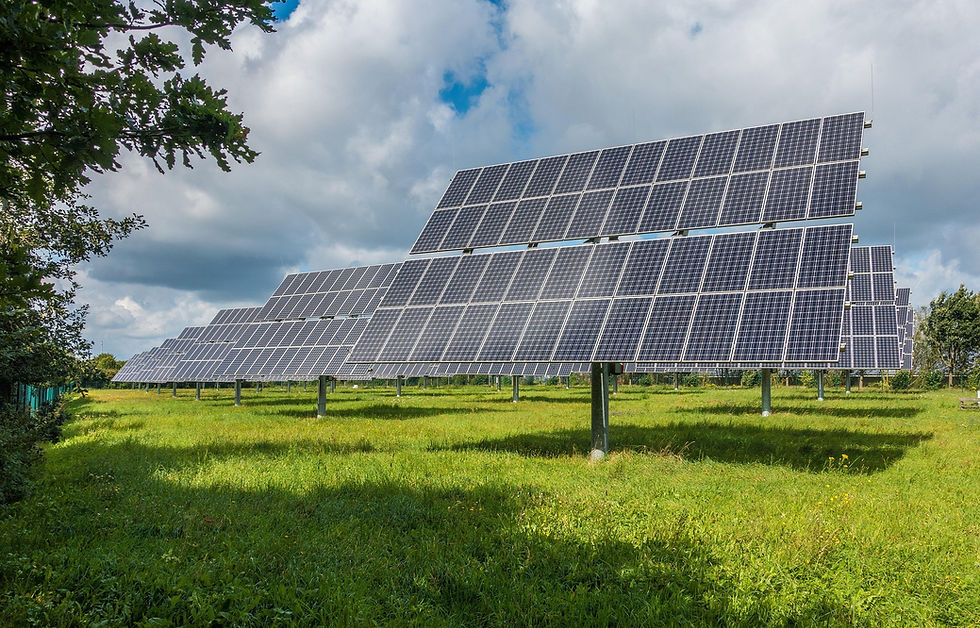
Despite being Africa's largest economy and most populous nation, Nigeria continues to struggle with chronic electricity shortages. The national grid frequently collapses, leaving homes and businesses in darkness for hours or even days. With grid capacity unable to meet the demands of over 200 million people, Nigerians have had to seek alternative solutions, and solar power has emerged as the clear winner.
The economics of solar energy have become increasingly attractive for Nigerian consumers. While the initial investment in solar panels and battery systems may seem substantial, the long-term savings are undeniable. Households and businesses that once spent thousands of naira monthly on petrol or diesel for generators are now enjoying free electricity from the sun after recovering their initial investment.
The fluctuating price of fuel has made generator usage increasingly expensive and unpredictable. In contrast, solar installations provide stable, predictable energy costs over decades. With payment plans and financing options becoming more widely available, solar systems are now accessible to middle-class families and small business owners, not just the wealthy elite.
Beyond economics, environmental consciousness is growing among Nigerians. The constant roar of diesel generators has plagued Nigerian neighborhoods for years, contributing to noise pollution and poor air quality. Solar power offers a clean, silent alternative that reduces carbon emissions and improves community health.
The solar industry in Nigeria has matured significantly. International and local companies now offer sophisticated solar solutions with improved battery storage technology, smart inverters, and monitoring systems that can be controlled via smartphone apps. These technological improvements have made solar systems more efficient and user-friendly.
Installation services have also improved dramatically, with trained technicians available across major cities and even in rural areas. The proliferation of solar companies has created competition that benefits consumers through better pricing and service quality.
Solar power is particularly transformative in rural Nigeria, where grid connection is often non-existent. Solar home systems are bringing electricity to villages for the first time, enabling children to study after dark, healthcare clinics to refrigerate vaccines, and small businesses to extend their operating hours. This democratization of energy access is driving economic development in previously underserved communities.
Entrepreneurs are capitalizing on the solar boom, creating jobs in sales, installation, and maintenance. Solar energy has become a thriving sector of Nigeria's economy, attracting both local and international investment.
Solar power adoption shows no signs of slowing. With continuing grid instability, rising fuel costs, and improving solar technology, more Nigerians will inevitably make the switch to clean, renewable energy. What began as a luxury for the few has become a practical necessity for the many, marking a pivotal moment in Nigeria's energy independence journey.


Comments