How to Build an Emergency Fund From Scratch
- Adediran Joshua
- 16 hours ago
- 3 min read

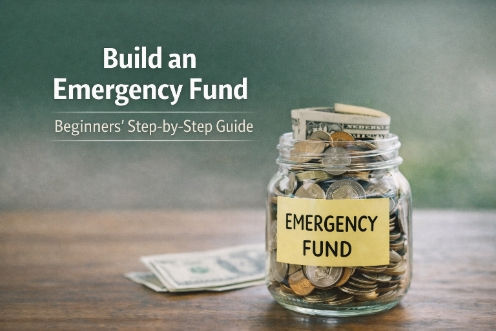
Life is unpredictable. A sudden job loss, unexpected medical bill, urgent car repair, or family emergency can derail your finances completely — unless you have one thing in place: an emergency fund.
Yet most people don't have one. They live paycheck to paycheck, one crisis away from debt. Building an emergency fund isn't glamorous — but it is arguably the single most important financial step you can take before anything else.
Here's how to build one from scratch.
What Is an Emergency Fund?
An emergency fund is a dedicated pool of money set aside specifically for unexpected expenses or financial disruptions. It is not for holidays, gadgets, or planned purchases — it exists purely as a financial safety net for genuine emergencies.
Think of it as the foundation of your entire financial life. Without it, every unexpected event becomes a financial crisis. With it, you absorb shocks without derailing your long-term plans.
How Much Should You Save?
The widely accepted standard is three to six months of living expenses. This means if your monthly expenses — rent, food, transportation, utilities, and essentials — total ₦150,000, your target emergency fund should be between ₦450,000 and ₦900,000.
If your income is irregular or you are self-employed, aim for the higher end — six months or more. The goal is to cover your basic needs entirely if your income suddenly stopped.
Step 1 — Start With a Small Target
The full amount can feel overwhelming at first. Don't let that stop you from starting. Set an initial target of one month's expenses and focus entirely on reaching that first. Small wins build momentum — and momentum builds habits.
Step 2 — Open a Separate Dedicated Account
Your emergency fund should never sit in your regular spending account. Open a separate savings account specifically for this purpose. The slight friction of accessing a different account helps prevent you from dipping into it for non-emergencies.
In Nigeria, high-yield savings options through platforms like PiggyVest, Cowrywise, or a traditional bank fixed deposit can keep your emergency fund accessible while earning modest returns.
Step 3 — Automate Your Contributions
Remove the temptation to skip contributions by automating them. Set up a standing order or automatic transfer on payday — even a small fixed amount monthly adds up significantly over time.
Treat your emergency fund contribution the same way you treat rent — non-negotiable.
Step 4 — Cut One Expense and Redirect It
Identify one non-essential monthly expense you can temporarily reduce or eliminate — a subscription, frequent takeout, or impulse spending — and redirect that amount directly into your emergency fund. Small sacrifices in the short term create significant security in the long term.
Step 5 — Replenish After Every Use
If you ever dip into your emergency fund for a genuine crisis, make replenishing it your immediate next financial priority. An emergency fund only works when it's full and ready.
What an Emergency Fund Is Not
- It is not an investment account
- It is not for planned expenses like school fees or vacations
- It is not optional — regardless of income level
- It is not meant to sit in a volatile asset like stocks
Liquidity and accessibility are everything. This money must be available when you need it — immediately.
The Bottom Line
Building an emergency fund from scratch takes time, discipline, and consistency — but the financial peace it delivers is worth every kobo. It is the difference between a crisis and an inconvenience. Between panic and calm. Between going into debt and staying financially stable.
Start today. Start small. But start.
Financial security doesn't begin with investing. It begins with being prepared.


Comments